
The Pentagon’s new FORTRESS America initiative has brought national attention to the importance of maintaining critical operations when outside infrastructure becomes unavailable.
Announced in September 2026, the initiative includes strengthening military installations through independent power generation and improved infrastructure resilience.
While FORTRESS America focuses on military readiness, it raises a practical question for homeowners throughout Marin and Sonoma counties:
If the electrical grid went down, which parts of your home would you actually need to keep powered?
For homeowners in San Rafael, Novato, Mill Valley, Petaluma, and surrounding North Bay communities, this question is especially relevant when preparing for winter storms, unexpected equipment failures, or utility Public Safety Power Shutoffs.
Rather than assuming every appliance needs backup electricity, homeowners can start by identifying their most important electrical circuits.
What Is the Pentagon’s FORTRESS America Plan?
Announced September 30, 2026, FORTRESS America is an initiative focused on improving military infrastructure, energy independence, and operational resilience.
One of its priorities is developing independent electricity generation so essential military functions can continue when commercial electrical service is unavailable.
Although it is not a residential preparedness program, the underlying principle applies to homeowners: identify essential systems and develop practical ways to protect them.
The announcement does not mean a widespread electrical outage is imminent.
Instead, it provides a useful opportunity to think about how households depend on electricity.
Why Critical Circuits Matter During Marin County Power Outages
Marin and Sonoma County homeowners may experience power interruptions for several reasons.
Winter storms can damage electrical infrastructure, while utilities may proactively interrupt electricity during periods of elevated wildfire risk.
A power outage can affect much more than lighting.
Refrigeration, communication equipment, heating systems, well pumps, and certain medical devices may all depend on electricity.
However, not every circuit in a home has the same level of importance.
Identifying critical circuits can help homeowners make informed decisions about backup power and electrical improvements.
What Is a Critical Electrical Circuit?
A critical circuit is an electrical circuit that supplies equipment considered essential during a disruption.
The specific circuits vary from one home to another.
For example, a homeowner working remotely may prioritize internet equipment and selected outlets.
A household relying on refrigerated medication or powered medical equipment may have different priorities.
Homes with private wells or electrically powered heating equipment may also require backup power for those systems.
The first step is understanding what equipment is connected to each circuit and how much electricity it requires.
Five Electrical Systems to Consider for Backup Power
1. Refrigerators and Freezers
Refrigeration is often one of the first priorities during an extended outage.
Federal emergency preparedness guidance estimates that an unopened refrigerator can generally keep food cold for approximately four hours.
A full unopened freezer may maintain safe temperatures for around 48 hours.
For longer outages, backup electricity may help maintain appropriate temperatures, provided the equipment receives sufficient power.
2. Essential Lighting and Outlets
Selected lighting circuits can make a home easier to navigate when utility power is unavailable.
Homeowners may also want backup power for outlets used to charge phones, operate communication devices, or support other essential equipment.
An electrician can help identify which circuits serve these areas.
3. Heating Equipment
Most modern gas furnaces require electricity for electronic controls and blower motors.
Heat pumps and other electrically powered heating equipment also depend on reliable electrical service.
Depending on the season and the home’s equipment, maintaining heat may be an important consideration.
4. Well Pumps and Plumbing Equipment
Some Marin and Sonoma County properties use private wells.
Electrically powered well pumps generally cannot operate during an outage without a compatible backup source.
Other properties may have sump pumps or additional plumbing-related equipment requiring electricity.
Homeowners should identify these dependencies before evaluating backup power.
5. Medical and Accessibility Equipment
Some households depend on powered medical devices, mobility equipment, or refrigerated medications.
These needs should be included in household preparedness planning.
Homeowners should work with their healthcare providers and equipment suppliers to establish appropriate emergency arrangements.
A residential generator should not be treated as the only emergency plan for life-sustaining equipment.
Essential-Circuit Backup vs. Whole-Home Backup Power
Not every home needs a backup system capable of operating every electrical circuit.
There are two broad approaches.
Backing Up Selected Essential Circuits
An essential-circuit system supplies electricity to selected equipment.
This may be appropriate for households that primarily want to maintain refrigeration, communications, lighting, or other specific electrical needs.
The system can potentially require less generation or battery capacity than one designed to support the entire home.
However, the connected loads must still be calculated correctly.
Backing Up a Larger Portion of the Home
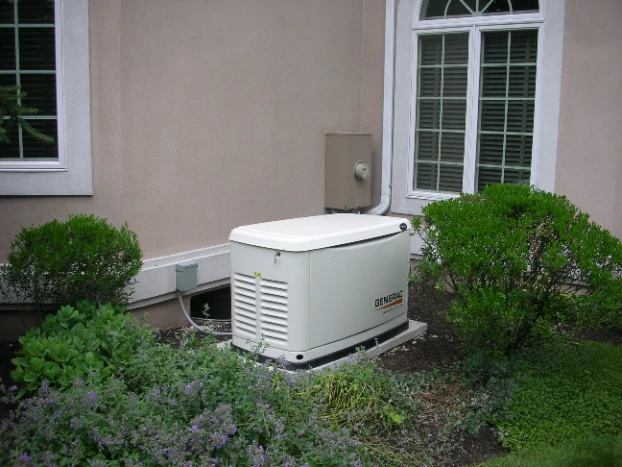
A larger standby generator may be configured to support additional circuits and appliances.
Depending on the system, homeowners may be able to operate more household equipment during an outage.
The installation may require load management, transfer equipment, and an evaluation of existing electrical infrastructure.
The appropriate solution depends on the home’s electrical demand and homeowner priorities.
What Should Be Evaluated Before Installing Backup Power?
Electrical Panel Capacity
The electrical panel is a central part of distributing power throughout the home.
An electrician can assess the existing panel, identify relevant circuits, and determine what additional equipment may be necessary.
Starting and Running Electrical Loads
Some appliances use more electricity when starting than during normal operation.
A backup system must be sized to accommodate the equipment it will support.
Generator or Battery Capacity
Standby generators and battery-based systems have different operating characteristics.
Generators depend on an appropriate fuel supply and routine maintenance.
Battery systems have limited stored energy, with runtime depending on connected electrical loads.
Transfer and Safety Equipment
Backup systems need properly designed connections that prevent unsafe interactions with utility power.
Never connect a portable generator to household wiring by plugging it into a standard outlet.
A qualified electrician can explain the necessary equipment and applicable installation requirements.
How Do Smart Electrical Panels Fit Into Backup Planning?
Some modern electrical panels offer monitoring and circuit-control capabilities that can help homeowners understand and manage electricity usage.
Depending on the specific panel and connected equipment, certain systems can prioritize or manage electrical loads during backup operation.
However, a smart electrical panel does not automatically create backup power.
It must be paired with compatible generation or energy storage equipment to supply electricity during an outage.
Homeowners interested in smart electrical panels should evaluate the available features, compatible backup systems, installation requirements, and overall cost.
Build a Home Power Plan Around Your Actual Needs
The value of the FORTRESS initiative for homeowners is not the idea that every property must become completely independent of the grid.
It is the importance of understanding critical infrastructure.
For a Marin County home, that starts with knowing which electrical circuits are essential, what backup options are available, and whether existing equipment can support those options safely.
Some households may benefit from a smaller backup system.
Others may want a larger standby generator or an electrical panel upgrade.
The right choice depends on the home’s requirements and the homeowner’s budget.
Explore Backup Power Options With Divine Electric & Plumbing
Divine Electric & Plumbing helps homeowners throughout San Rafael, Novato, Mill Valley, Petaluma, and surrounding Marin and Sonoma County communities with electrical and generator services.
Our team can help evaluate your electrical system, identify important circuits, and explain available backup power options.
Whether you’re considering standby generator installation, an electrical panel upgrade, or improvements to your home’s electrical preparedness, we’ll help you understand your choices.
Contact Divine Electric & Plumbing to discuss your home’s critical electrical circuits and explore backup power solutions that fit your needs.